
Why Hoarding Is Different From Ordinary Clutter
Hoarding, unlike general clutter, is a recognised mental health disorder. A Hoarder’s house is not just disorganised or messy; it is an environment where the individual struggles to get rid of any of their belongings, regardless of whether it belongs in the trash bin or is worthy of being put in a keepsake box. The Hoarder’s inability to dispose of items leads to unsafe living conditions and makes ordinary day-to-day activities a source of anxiety. Thus, hoarder cleanups are rarely solved by a quick clear-out or a few bags out on the curb.
The difference is important to understand, since Hoarders do not intentionally choose to create a disordered environment. Instead, each item may represent a sense of safety, memories, comfort, self-identity, or the fear that if an item is discarded, something valuable will be lost forever. What looks like obvious rubbish to one person may feel deeply significant to another. Real help for hoarders starts with understanding the emotional reality, not dismissing it.
The Emotional Side Of Hoarder Cleanups
Why they should be involved in the process
If at all possible, the person who lives in the house should be involved in the cleaning process. When it comes to hoarding cleanups, the most successful ones are collaborative, not confrontational. When the person is able to make decisions regarding what will stay, be donated, sold, or thrown away, they can maintain their dignity and lower the distress that often comes with letting possessions go.
That does not mean families need to carry the whole burden by themselves. If there is a great deal of anxiety, if the house has become a hazardous environment, or decision-making has broken down completely, then you may need help to get things cleaned up. You will also need mental health support. Sufficient help for hoarders isn’t just about taking out the trash. It’s about making their homes a physical and emotional safe space, which they can maintain long-term.
Why rushing usually makes things worse
One of the biggest mistakes made during hoarder cleanups is trying to accomplish too much too quickly. Families often want everything removed from the house in one day. Unfortunately, this generally creates conflict, regret and poor decision-making. Working at a slower and calmer pace is more beneficial. Cleaning one room, one area, one category at a time is so much more manageable than attempting to clean everything in the house at once, and also easier on a person’s mental health.
How Hoarder Cleanups Usually Unfold
Assessment comes first
The first step is always to complete a comprehensive assessment of that property to ensure you remove clutter from the property in a manner which is safe and effective. A person conducting such an assessment will want to look at access routes, for example, blocked paths, and identify damaged floors and ceilings or unsafe furniture and stacks. They will want to assess how long certain areas of the house have been unclean and if there are any serious odours, hygiene or structure problems. They will also need to estimate the approximate amount of rubbish on-site, and identify hazardous materials, to ensure cleanup is approached in a safe manner.
Second, sorting provides structure
The next stage is sorting. In most hoarded homes, items are separated into keep, donate, sell, recycle and dispose. This helps create a framework for making very difficult decisions in an overwhelming situation. This process also minimises the possibility of sentimental items getting tossed in with obviously unwanted trash.
Third, removal takes place in phases
Once the items have been sorted, the actual removal of the items takes place. In most cases these items will include: old furniture, broken household items, damaged belongings, paper waste, packaging and general rubbish that has built up over time. Because the volume of material is almost always greater than anticipated, removing the clutter from a hoarded property usually cannot be completed with just one trip. Skip bins for hoarders are typically one of the best practical options for the removal of hoarded property.
Why a Skip Bin Completely Alters the Way You Do a Job
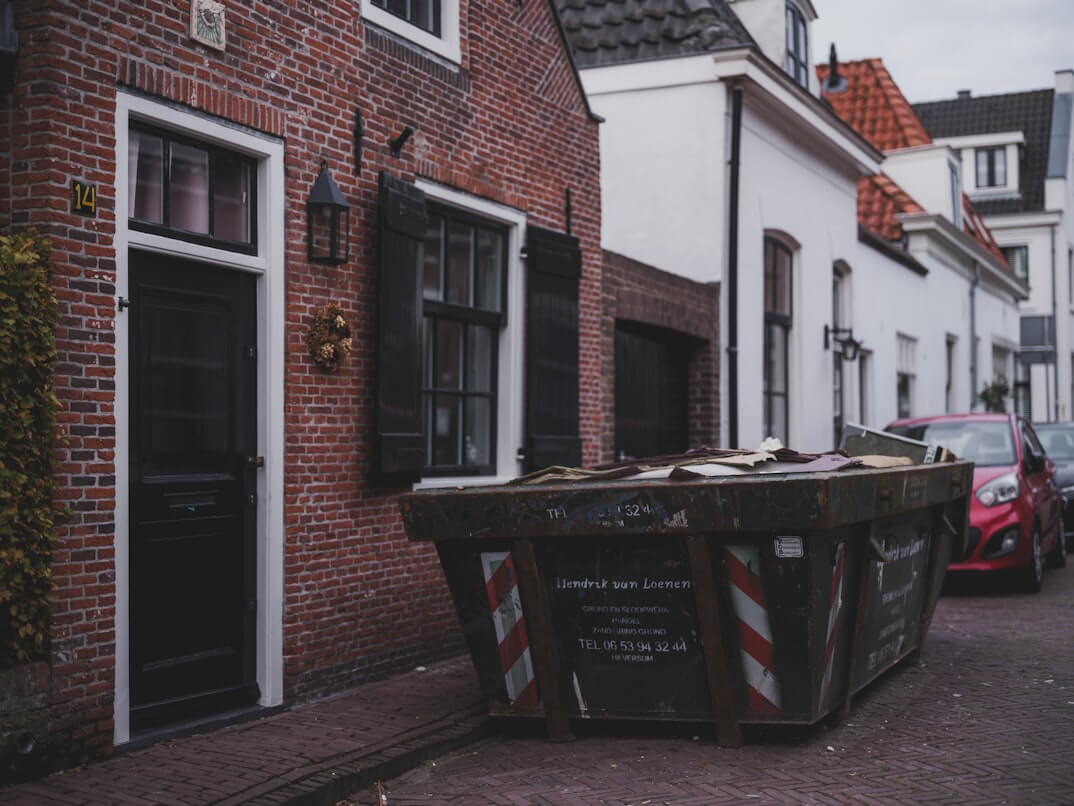
Using a skip bin speeds up the cleaning process. Instead of creating temporary piles in the yard or piling them in a vehicle for repeated trips to a landfill, all rubbish is placed directly into the bin as you make your removal decisions. A skip bin won’t only save you time, but it also reduces the amount of physical effort needed and prevents the spread of clutter to the remaining areas of your property during the cleanup process.
When dealing with emotionally difficult jobs like these, maintaining momentum is vital. Each disruption allows time and opportunity for second-guessing, stress and fatigue to interfere with the completion of the task. Skip bins for hoarders provide one clear outlet for waste as part of the overall cleaning process. This provides a cleaner and more organised approach to completing the overall task.
For Brisbane households, Magic Bins is a practical choice because the business is local, family-owned and experienced in larger mixed-waste jobs. Magic Bins operates across Greater Brisbane from Acacia Ridge, runs a fleet of more than 250 bins, and offers skip bin sizes from 2m³ to 12m³. That range is especially useful for hoarder cleanups, where rubbish volumes can escalate quickly once sorting begins.
Selecting the Correct Bin Size
Small bins will typically suffice for clearing a single room or for early stages of a cleanup. However, most full-property hoarder cleanups require significantly more capacity than anticipated. When there are a large number of bulkier items or a large quantity of household waste being removed, selecting a bin that is too small can severely impede progress and lead to increased manual labour. Because of Magic Bins’ expertise in assisting clients to select the appropriate bin size based upon the specifics of each job, they can help ensure that you find the right bin size from the start.
What Goes In The Bin, And What Does Not
The majority of materials found at hoarding sites can go into a general waste skip bin, including damaged or broken furniture, broken or damaged household products, paper products, packaging, and miscellaneous non-hazardous waste. This is exactly why skip bins for hoarders are so convenient. They enable an immediate and efficient way to dispose of all waste on-site rather than having waste sit at the site until somebody is able to remove it.
Some waste items have their own unique disposal procedures. Hazardous waste such as chemicals, paint, oil, batteries and gas cylinders cannot be disposed of like any other household products. Asbestos has its own disposal route. It would be prudent to contact Magic Bins before booking your skip to establish that the disposal plan is correctly set from the outset.
A Calmer, More Practical Next Step
Hoarder cleanups are never only about rubbish. They involve emotion, safety, patience and practical planning all at once. If you need Help for Hoarders in Brisbane, Magic Bins offers a straightforward booking process, a wide range of bin sizes and local experience with large, complex waste removal jobs. Getting in touch early to talk through the property, the likely waste types and the right bin size can make the entire process feel more manageable from day one.




Leave A Comment