What Is Considered Hazardous Household Waste in Brisbane?
“Hazardous” categorises ordinary household products which are corrosive, flammable, explosive, toxic or poisonous. Brisbane City Council says some typical household cleaners, garden and swimming pool chemicals may be in this category.
In real homes, hazardous household waste usually shows up when you’re reorganising the shed, moving house, or mid-reno. Typical examples include:
- Leftover paints and solvents
- Motor and gear oils
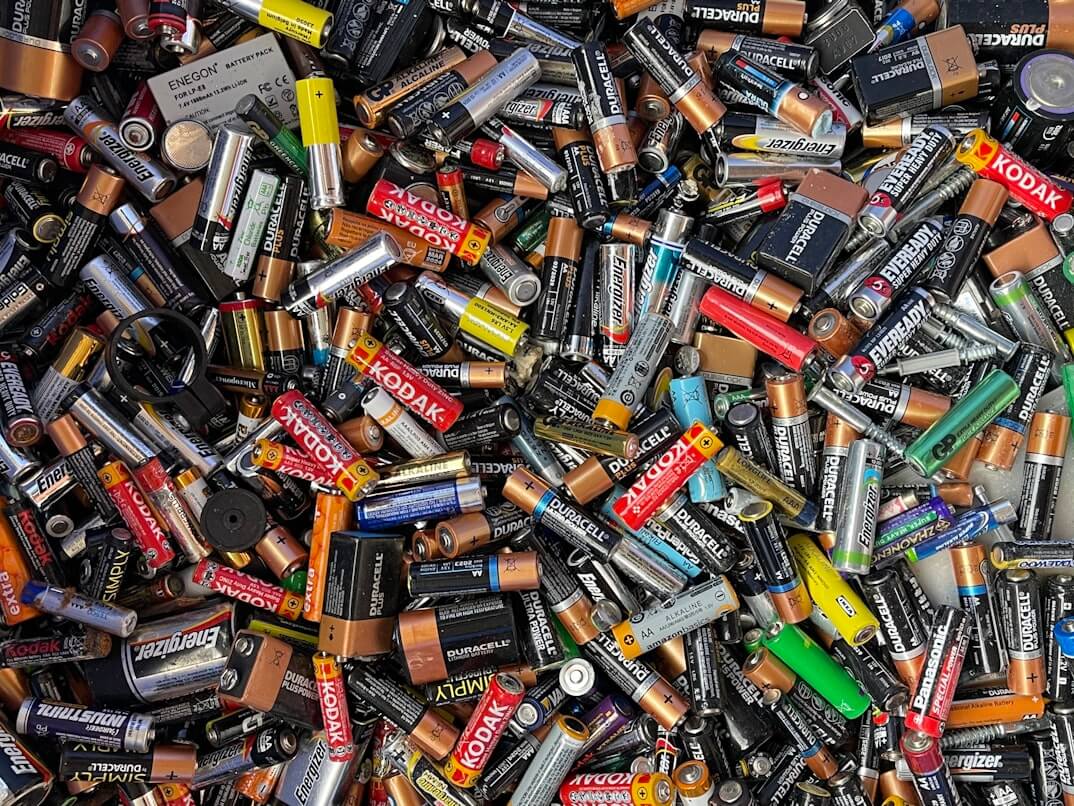
- Household and car batteries
- Pool chemicals and pesticides
- Fluorescent tubes and compact fluorescent bulbs
The important detail: some “hazardous” items have approved disposal pathways through Council, while others need a dedicated drop-off event or specialist handling. Council even outlines which specific products can go in the red bin, which can be dropped at a resource recovery centre any day, and which should wait for free hazardous waste drop-off days.
What Is Considered Hazardous Household Waste in Brisbane?
Hazardous waste doesn’t just “disappear” once it’s in a bin. It can leak, react, ignite under pressure, or contaminate soil and waterways, especially if it ends up in a landfill when it should have been recovered or neutralised. Brisbane City Council warns that hazardous waste can cause fires in bins and collection trucks, creating safety risks for drivers, the community and the environment.
Batteries are the clearest example, and Council’s wording is direct: “Batteries should not be disposed of in any household bin.” That’s not just about litter—it’s about chemicals, fire risk and preventable harm.
The good news is that safe waste disposal for Brisbane residents isn’t complicated once you know where each item belongs.
Where Can Brisbane Residents Take Hazardous Waste Today?
Brisbane City Council operates four resource recovery centres (often called “the tip”), located in Chandler, Ferny Grove, Nudgee and Willawong. They’re open every day of the year, including public holidays, with listed opening hours.
These centres accept a wide mix of bulky, recyclable and hazardous items, and Council notes that many recyclable and reusable items can be dropped off free of charge. For hazardous items specifically, Council lists several accepted for free, any day of the year, including:
- Batteries
- Empty gas bottles
- Fluorescent bulbs/tubes
- Motor and gear oils
- Paints and mediums
Council also runs free hazardous waste disposal drop-off days for a wider set of chemicals like solvents, pool products, pesticides, and fuels. They advise checking upcoming dates via the Council event calendar or the Brisbane bin and recycling app.
If you’re not sure where something goes, Council also points residents to a “find disposal locations” option via recycling near you.
How Do You Prepare Hazardous Waste for Drop-Off Safely?
Hazardous waste disposal starts at home before anything goes in your car. Council’s storage guidance focuses on preventing poisoning, injury, ignition, explosions and toxic fumes. Use that mindset as your prep checklist:
How should you sort items before disposal?
Keep hazardous items separate from general clean-up waste from the start. Council explicitly recommends separating items before arriving at a resource recovery centre to make drop-off quicker and easier.
A simple approach that works well for Brisbane households is to create a “hazard corner” in the garage: one tub for batteries, another for paint, another for oils, and a sealed box for globes and tubes (kept intact).
What rules matter most for drop-off days?
For Council drop-off days, eligibility criteria are strict for good reason: items must remain in their original containers and not be mixed. There are also volume limits (including a general 20-litre limit per chemical/product per visit, with different limits for paint and oil) and container size rules.
What should you do if something breaks (like a CFL globe)?
Compact fluorescent lights contain small amounts of mercury, and the Council provides specific clean-up advice, including avoiding vacuuming because it can disperse mercury. If you’ve got old tubes or CFLs, transport them wrapped or boxed as recommended.
Can You Use a Skip Bin for Hazardous Household Waste in Brisbane?
Here’s the honest, practical answer: most household hazardous waste should not go into a standard skip bin. Those items generally belong in Council’s approved pathways (resource recovery centres and drop-off days), where they can be handled and recovered safely. Council also stresses: don’t place hazardous waste in Council skip bins for hazardous materials unless it’s specifically listed as acceptable.
There is a scenario where a specialised skip bin is exactly the right tool—asbestos.
Brisbane City Council states it is illegal to dispose of asbestos in your red bin or at a Council resource recovery centre. That’s where licensed skip bins for hazardous materials providers offering asbestos-only options become a genuine safety solution rather than just a convenience.
Hazardous waste disposal should always be planned around Council rules first, then matched to the right container and service for what’s left.
What Does “Specialised Hazardous Skip Bin Handling” Look Like?
Specialised handling is about controlling exposure and keeping waste streams clean.
When asbestos is involved, what are the rules?
Queensland guidance notes that a licence is not required to remove 10 square metres or less of non-friable asbestos material, but the work must still be carried out properly using safe waste disposal Brisbane procedures. If you’re unsure what you’re dealing with, treat it as high-risk until confirmed.
What safety features should a provider offer?
Here at Magic Bins we are licensed to transport and dispose of asbestos, and they offer lined asbestos-only skip bins by prior arrangement. These bins are delivered double-lined in heavy-duty plastic, and a Waste Transport Certificate can be issued if required after collection.
That’s the kind of practical compliance Brisbane households need: the right container, correct lining, clear paperwork, and controlled transport.
How Can You Combine Council Drop-Offs With Skip Bin Hire for a Smoother Clean-Up?
The fastest, safest home clean-up usually uses a two-track plan:
Track 1: Remove hazardous items the approved way
Use Council’s guidance to decide what goes:
- To a resource recovery centre any day (e.g., batteries, oils, paint within limits)
- To a free hazardous drop-off day (e.g., pesticides, solvents, pool chemicals, fuels)
- Back to a pharmacy (Council recommends returning unwanted medicines to participating pharmacies for safe disposal)
Track 2: Use a skip bin for the bulk waste that’s actually suited to it
Once the hazardous items are out of the way, your remaining pile becomes easy: renovation debris, green waste, general clutter, and mixed household rubbish that’s allowed. This is where Magic Bins is built to help, with long industry experience, offering a wide range of bin sizes and a service model that includes discussing waste types upfront, including whether a special asbestos arrangement is needed.
We also offer same-day delivery (depending on time of booking), or within 24 hours of making your booking, which is ideal when you’re trying to keep a clean-up moving instead of living around a growing rubble pile.
Which Option Should You Choose for Common Hazardous Items?
| Item | Where it goes in Brisbane | Quick prep tip | Standard skip bin? |
| Batteries (all types) | B-cycle drop-off or Council resource recovery centre | Tape terminals on lithium/rechargeables | No |
| Paint | Council resource recovery centre (Paintback) | Keep sealed in original tin | Generally no — only if fully dry/empty and your provider allows |
| Oils (motor/gear) | Council resource recovery centre | Seal in a sturdy container, transport upright | No |
| Pool chemicals, pesticides, solvents | Council hazardous waste drop-off days | Don’t mix; keep in original containers | No |
| Fluorescent tubes/CFLs | Council resource recovery centre | Wrap/box to prevent breakage | No |
| Gas bottles/cylinders (empty) | Council resource recovery centre (limits apply) | Don’t puncture; keep valve protected | No |
| Unwanted medicines | Return to a participating pharmacy | Keep in original packaging if possible | No |
| Asbestos | Licensed asbestos-only disposal | Keep intact; use a lined asbestos-only bin | Only in a dedicated asbestos-only bin |
Ready to Clear Out Safely Without Slowing Your Project Down?
If you’re doing a serious clean-up or renovation in Brisbane, the winning move is simple: take the hazardous items down the Council-approved path, then bring in a skip bin for the bulk waste so the site stays tidy, safe and stress-free. For jobs involving asbestos, use a provider that offers lined asbestos-only bins and licensed transport—Magic Bins explicitly provides that service by arrangement, with double-lined heavy-duty plastic and optional waste transport certification.


Leave A Comment